SIM Rules & Updates in Pakistan (2026) – PTA Registration, Biometric Verification & CNIC SIM Rules
This detailed SIM Rules & Updates guide explains the Pakistan SIM registration and verification framework in practical language. It separates legal requirements from operator procedures, explains biometric verification, CNIC-linked SIM self-checking, official notices, complaint escalation and the warning signs of fake telecom updates.
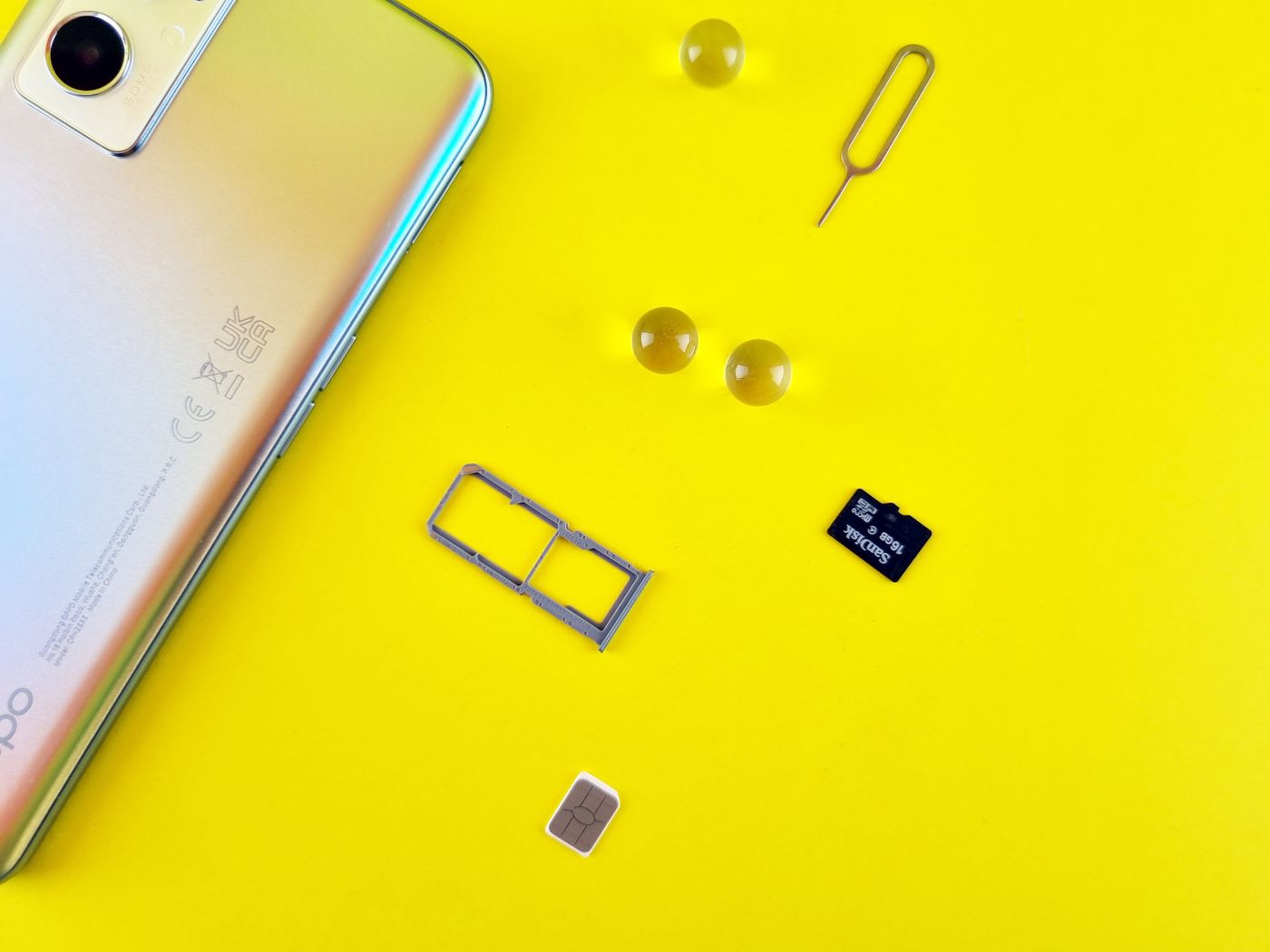
Real photographic feature image. Visual illustration only; it is not an official PTA, NADRA or government image.
SIM rules checklist before you take action
- Confirm whether the information came from PTA, NADRA, your mobile operator or an unofficial source.
- Check the publication date before following an old SIM code or forwarded message.
- Use official self-check systems for your own CNIC rather than third-party owner-lookup sites.
- For number-specific problems, start with the relevant operator and keep the complaint reference.
- For unresolved telecom complaints, use PTA's official Complaint Management System.
SIM rules in Pakistan: what users actually need to understand
SIM rules are not one single instruction. They sit across the telecom regulatory framework, subscriber verification requirements, operator procedures, identity-document rules and security guidance. For a normal customer, the most important distinction is between a legal requirement, an operator procedure and an unofficial claim circulating online.
Pakistan Telecommunication Authority (PTA) is the sector regulator, while licensed mobile operators handle customer-facing transactions such as SIM activation, replacement, account access and many ownership-related requests. NADRA handles the underlying identity-document system. Keeping these roles separate helps you reach the correct authority instead of giving sensitive information to an unofficial intermediary.
SIM registration and subscriber verification
Subscriber verification is a core part of lawful SIM issuance. PTA NTCERT guidance states that selling or providing a SIM without proper verification/authentication of the subscriber credentials is illegal, and it links unauthorized SIM issuance to Section 17 of PECA 2016. The official Pakistan Code should be used when you need the statutory wording rather than a copied social-media summary.
For users, the practical lesson is straightforward: use an authorized operator channel or franchise for SIM transactions, present your own valid identity credentials where required, and do not accept a shortcut that promises activation without the prescribed verification.
What Section 17 of PECA means for SIM users
Section 17 of the Prevention of Electronic Crimes Act, 2016 addresses unauthorized sale or provision of SIMs and related subscriber-authentication modules without obtaining and verifying subscriber antecedents in the approved manner. The official Pakistan Code contains the current statutory text.
This provision is especially relevant when a person is offered a pre-registered SIM, a SIM activated in another person’s name, or a process that bypasses the required verification. A user should not treat such a transaction as a normal alternative to official registration.
Biometric verification and SIM transactions
Biometric verification connects a service request to an identity record through a biometric check. NADRA describes biometric verification as matching fingerprints and a photograph with CNIC information through its identity-verification services. Telecom transactions can therefore involve biometric steps when the operator’s current procedure requires them.
PTA NTCERT has also advised users to be vigilant when providing fingerprints for a new SIM. Before a biometric transaction, confirm the operator, the outlet and the transaction being performed. Never allow fingerprints to be collected for an unclear purpose or under the promise of an unrelated free service.
How to check SIMs associated with your CNIC
PTA NTCERT guidance recommends periodically checking the number of SIMs issued in your name and taking action on illegally issued SIMs. The official SIM Information System at cnic.sims.pk provides a self-check route for SIMs associated with a CNIC.
If an unfamiliar network or SIM count appears, document what you saw and contact the relevant operator through an official support channel. If the matter is not resolved, PTA’s Complaint Management System can be used for telecom complaint escalation.
668 self-check: what the official guidance says
PTA NTCERT’s published cyber-crime guidance tells users to periodically check the number of SIMs issued in their name by sending their CNIC number to 668 and to block illegally issued SIMs. Because service instructions can change, users should also check the current official SIM Information System and operator guidance before acting on an old forwarded message.
Do not confuse a self-check with a public owner-lookup service. The safe purpose is to review SIMs associated with your own identity and then use official channels if something appears incorrect.
How to verify a real SIM rule update
Start with the authority that should logically publish the update. PTA announcements and regulatory notices should be checked on official PTA channels; identity-document changes should be checked with NADRA; account-specific instructions should be checked with the operator; statutory wording should be checked through Pakistan Code.
Check the publication date, domain name, exact wording and whether the notice describes a new rule, a temporary instruction, a service procedure or merely a security warning. A screenshot without a traceable source is not enough evidence for a major SIM action.
SIM rules vs operator procedures
A regulation can establish an obligation while an operator page explains the customer workflow. For example, the requirement for subscriber verification is different from the practical instructions for a duplicate SIM, number porting, account management or a complaint.
If two pages appear inconsistent, compare their dates and authorities. The newer operator procedure may explain how to complete a transaction, but it should not be assumed to cancel a legal or regulatory requirement.
CNIC validity and continuity of mobile services
NADRA issued a public advisory in April 2026 stating that expired identity documents can adversely affect services linked to those documents, including mobile phone SIMs. NADRA also advised timely renewal and stated that SIMs registered against expired identity cards or deceased individuals may be blocked.
If your CNIC has expired, do not rely on an unofficial “SIM unblock” service. Resolve the underlying identity-document issue through NADRA and then follow the operator’s current procedure for any remaining SIM-service problem.
Rules for safe SIM replacement, transfer and disowning
SIM replacement, ownership transfer and disowning are different transactions. A replacement normally concerns continuing service for the same subscriber after loss or damage. Transfer concerns changing the registered subscriber. Disowning concerns ending the association of a number/SIM with a subscriber record.
Because these transactions affect identity-linked telecom records, use the operator’s official procedure and biometric verification where required. Do not hand over a SIM and assume that informal possession changes the registered ownership record.
How complaints fit into the SIM rules process
For a number-specific issue, begin with the mobile operator because the operator controls the customer account and service workflow. Keep the complaint or reference number. If the matter remains unresolved or requires regulatory escalation, PTA’s Complaint Management System provides an official complaint route.
A useful complaint record includes the date, operator, service centre or channel used, the issue in one sentence, the reference number and the remedy requested. Avoid sending unnecessary CNIC scans through unsecured chats.
How to protect CNIC, OTP and biometric information
SIM problems can create pressure to share sensitive information quickly. Do not publish a CNIC number, full CNIC photograph, OTP, account password, SIM PIN or biometric data on public pages. A genuine support agent should not need an OTP that was generated for another service or an unexplained fingerprint collection.
PTA NTCERT has published warnings about malicious applications and telecom-related risks. Download apps from trusted sources and verify the publisher. If an APK is being circulated through a random message claiming to be an official SIM checker, verify its source before installing it.
What evidence to keep when a SIM dispute occurs
Keep screenshots of official status pages, operator complaint numbers, dates of visits, the name or location of the service channel where appropriate, and copies of official messages. Keep only the minimum sensitive information needed for the dispute.
A short timeline is often more useful than dozens of forwarded messages. Record what you checked, what the official system showed, what the operator said and what reference number was issued.
Related SIM rules and problem-solving guides
For practical self-checking, see SIM Registration Check and CNIC SIM Count Review. For verification issues, see Biometric / BVS Check. For problems, continue to Unknown SIM on Your CNIC, Close or Disown an Old SIM and Expired CNIC or SIM Issue.
Quick authority reference
| Your situation | Start here | Purpose |
|---|---|---|
| Check SIMs linked to your own CNIC | SIM Information System | Self-check SIM count and network information. |
| SIM replacement, account or number issue | Mobile operator | Number-specific customer service and transactions. |
| Unresolved telecom complaint | PTA Complaint Management System | Formal telecom complaint registration and escalation. |
| CNIC renewal or identity record | NADRA | Identity-document and biometric identity services. |
| Telecom security awareness | PTA NTCERT | Security advisories and public awareness. |
| Read the applicable law | Pakistan Code | Official statutory text. |
Frequently asked questions
Related SIM Owner Details guides
For the main topic overview, see SIM Owner Details – Complete Guide and then use the individual self-check and problem-solving guides relevant to your situation.
Official references and source policy
Regulatory, identity and legal claims should be verified against primary sources. This guide prioritizes official Pakistan authorities and distinguishes official procedures from general educational explanation.
The feature image is a real photographic illustration sourced from Pexels. It does not represent an official government portal, employee, service centre or regulator.